
TABLE OF CONTENTS

In my years of working alongside assisted living owners, Executive Directors, Regional Directors, and Sales Directors, I’ve seen the same story play out time and again: communities chasing a high volume of inquiries often end up with quantity over quality. One mid-sized chain I consulted for in 2024 was generating over 120 leads monthly from broad digital ads, but their tour booking rate was stuck at 22%. We shifted focus to targeted, high-intent assisted living lead generation—refining sources, adding automation, and qualifying better—and within five months, their qualified inquiries rose 65% while cost per move-in dropped nearly 30%. No more spray-and-pray.
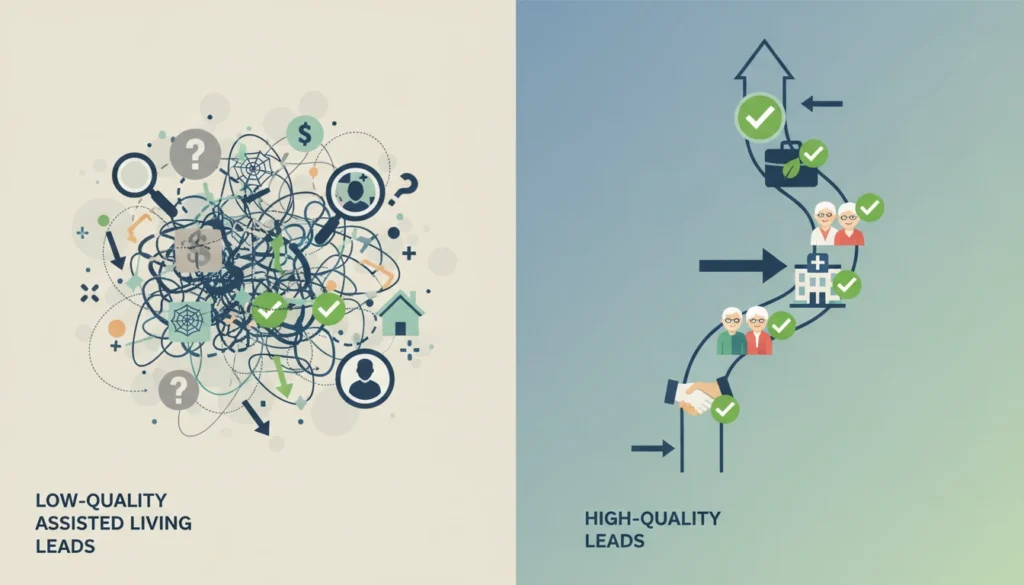
As of late December 2025, the senior living landscape remains red-hot. NIC MAP data from Q3 2025 shows assisted living occupancy at 87.2% (up 0.9 points from Q2), with overall senior housing hitting 88.7% and independent living crossing 90% for the first time since 2019. Occupied units climbed to nearly 630,000, fueled by Baby Boomers moving in at record rates, while new inventory growth stays near historic lows (under 1% annually in many markets). Demand is there—operators just need the right senior living lead sources to capture it efficiently.
This guide focuses on practical, B2B-minded strategies tailored for operators who manage occupancy and revenue. We’ll cover how to generate better assisted living marketing leads, increase AL inquiry volume, and build sustainable assisted living demand gen without burning budget on low-quality traffic.
If your current lead flow feels inconsistent or expensive, schedule a quick strategy call—we’ll audit your sources and pinpoint quick wins for your community.
Why Most Lead Generation Efforts Fall Short for Assisted Living Operators
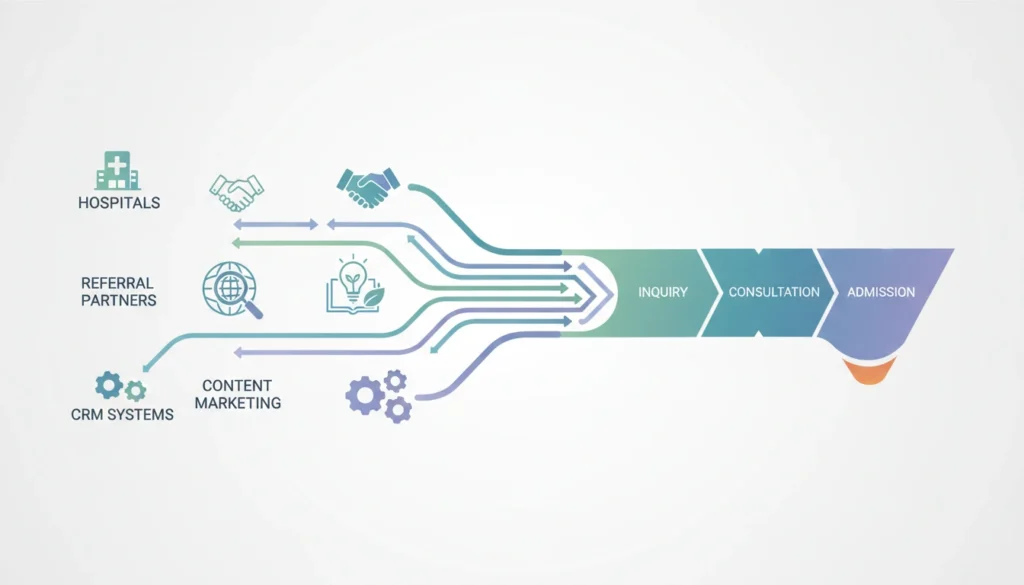
Industry benchmarks are telling. Typical lead-to-tour conversions hover between 20–35%, with tour-to-move-in rates at 25–40% without strong optimization. That leaves a lot of potential revenue on the table, especially when each resident represents $5,500–$7,000 monthly.
Common pitfalls I’ve observed:
- Over-relying on broad “assisted living near me” searches that attract families too early in decision-making
- Using generic paid ads without operator-focused targeting
- No qualification layer—leading to high volume but low intent
- Ignoring multi-channel nurturing after the initial inquiry
In 2025, with Boomer demand surging and competition fierce, the winners are operators who prioritize operator marketing precision: targeting decision-makers (Owners, EDs, Sales Directors) who control move-ins, not just end consumers.
One Regional Director I worked with cut wasted ad spend by 45% by narrowing focus to high-intent professional referrals and B2B-style content—resulting in 15 more move-ins over a quarter.
Top Senior Living Lead Sources That Deliver in 2025
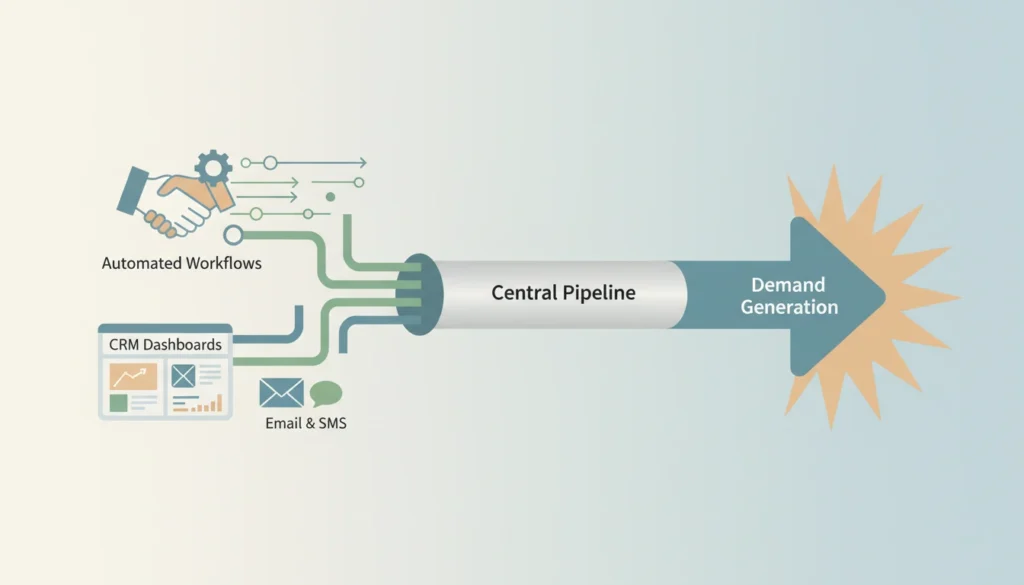
Not all leads are created equal. Here’s a realistic ranking of sources based on current trends and operator feedback:
| Lead Source | Avg. Quality (1–10) | Cost Range per Lead | Conversion Potential | Best For Operators Because… |
| Professional Referrals (hospitals, discharge planners) | 9 | $2,000–$5,000/move-in | High (35–50%) | Pre-qualified, urgent need |
| Targeted Google Ads (B2B keywords) | 8 | $40–$120 | 30–45% | Intent-driven, scalable |
| SEO + Content Marketing | 7–8 | Low ongoing | 25–40% | Builds long-term authority |
| Email/LinkedIn Nurturing | 7 | $10–$30 | 20–35% | Re-engages warm prospects |
| Broad Consumer Ads (e.g., Facebook) | 4–5 | $15–$50 | 10–20% | High volume, low intent |
Professional referrals remain king for quality, but digital channels (especially targeted search) are catching up fast for operators who optimize for decision-makers.
Building a Smart Assisted Living Demand Gen Framework
Effective assisted living demand gen in 2025 combines precision targeting with automation to nurture leads efficiently.
Key elements that work:
- Targeted Keyword & Audience Strategy — Focus on operator-intent searches like “assisted living referral networks,” “senior living occupancy marketing,” or “increase AL move-ins.” Avoid consumer-heavy terms.
- Multi-Channel Sequences — Use 7–12 automated touches: instant SMS confirmation, educational emails (“5 Ways to Boost Inquiry Quality”), personalized videos, and SMS nudges. This lifts response rates 2–3×.
- Qualification Early — Short post-inquiry forms asking “What’s your current occupancy?” or “Role in decision-making?” to fast-track hot leads.
- CRM Integration — Track everything in one place (HubSpot, Salesforce) with automated handoffs and alerts.
I’ve seen communities double qualified AL inquiry volume by layering these together—without increasing ad spend proportionally.
Want to map this out for your specific markets? Book a no-obligation consultation—we’ll review your current setup.
Practical Tactics to Boost AL Inquiry Volume & Quality
Here are actionable steps operators can implement quickly:
- Refine Paid Search — Bid on B2B terms + location modifiers. Use negative keywords to block consumer noise.
- Content as Lead Magnet — Offer gated resources like “2025 Census Growth Playbook” to capture emails from serious operators.
- Referral Network Optimization — Strengthen ties with discharge planners and physicians—still the highest-converting source.
- Automation for Speed — Respond in under 5 minutes via SMS/email. Data shows faster responses lift bookings 40%+.
- Weekly KPI Tracking — Monitor source performance, cost per qualified lead, and conversion rates. Adjust monthly.
These tactics align with 2025 realities: strong demand, limited new supply, and operators shifting toward efficiency.
If you’re ready to test these, let’s discuss a custom plan.
How We Help Operators Scale Lead Generation
At Alchemical Marketing, we specialize in building census growth systems for assisted living and memory care operators—combining precise assisted living lead generation, automation, CRM, follow-ups, tour optimization, and sales process improvements.
In one recent engagement, a 50-bed chain went from 80–100 monthly leads (mostly low-intent) to 140+ qualified ones, adding 18 residents in four months (~$1M+ annualized revenue).
Explore our full suite of solutions on the services page.
Ready to generate better leads and fill beds predictably? Secure your free strategy session.
Common Mistakes & How to Sidestep Them
From experience:
- Chasing cheap volume over qualified intent
- No nurturing after the first click
- Ignoring data reviews
Start small—optimize one source this month, measure, scale.
Next Steps for Stronger Lead Flow in 2026
With occupancy trends continuing upward and Boomers driving demand, operators who master assisted living lead generation will capture the biggest share. Focus on quality sources, automation, and data-driven tweaks.
If lead quality or volume is holding you back, schedule a complimentary call today—we’ll deliver clear recommendations tailored to your operations.
Here’s to more qualified inquiries and a stronger census in the year ahead.
Frequently Asked Questions
What are the best senior living lead sources for operators in 2025?
Professional referrals (hospitals, discharge planners) top the list for quality and conversion (35–50%). Targeted Google Ads on B2B keywords follow closely, while broad consumer ads often deliver lower-intent volume.
How can I increase AL inquiry volume without raising costs?
Refine targeting, add multi-channel automation, and use content magnets to nurture warm prospects. Many operators see 50–80% lifts by optimizing existing traffic rather than buying more.
Should assisted living operators focus on B2B or consumer lead gen?
B2B precision—targeting decision-makers like Owners and Sales Directors—yields higher-quality leads that convert faster. Consumer volume can be noisy and less predictable.
What metrics should I track for lead generation success?
Key ones: cost per qualified lead, lead-to-tour rate, source performance, and overall conversion to move-in. Weekly reviews help spot winners and cut losers.
How fast can I see results from better lead gen strategies?
Most operators notice improved quality in 30–60 days (faster responses, higher tour bookings). Significant volume and occupancy lifts typically appear in 90–120 days as systems mature.