
TABLE OF CONTENTS
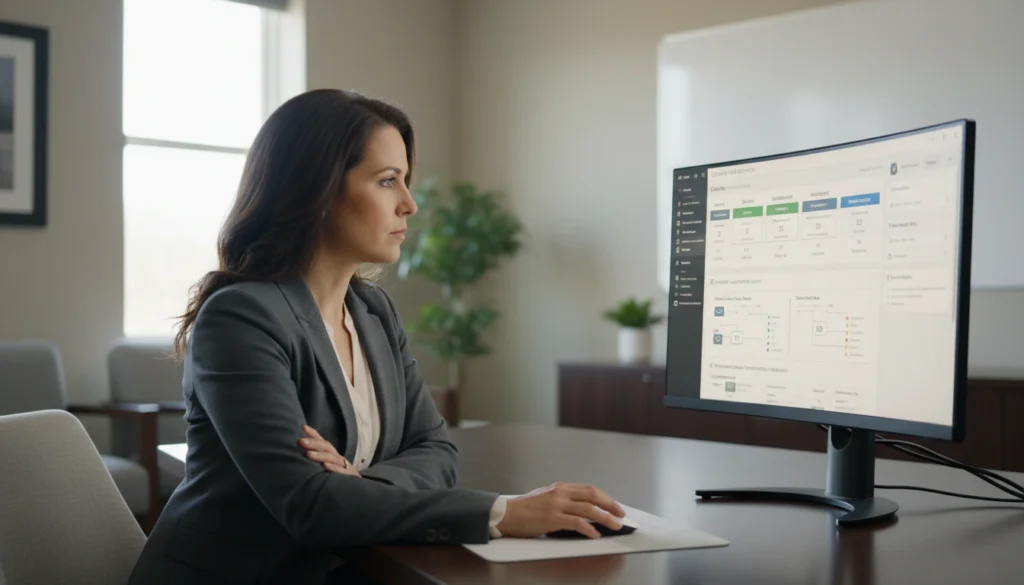
Memory care sales cycles are long – often 60–120 days – and families need repeated clinical reassurance. Manual follow-up simply cannot keep up. I consulted for a 40-unit memory care community in 2025 where the sales team was overwhelmed by inquiries but move-ins stayed flat at 5–7 per quarter. Response times averaged 18 hours, nurturing was sporadic, and many leads went cold during the long deliberation period. We built a memory care marketing automation system with instant clinical response, multi-channel nurture sequences, CRM workflows for clinical qualification, and weekly reporting. Six months later lead-to-tour conversion rose from 21% to 42%, move-ins stabilized at 11–13 per quarter, and occupancy climbed from 74% to 89%. The team reclaimed 15–20 hours per week and finally had predictable momentum.
As of January 20, 2026, memory care demand continues to outpace new supply in most primary markets. NIC MAP Vision Q4 2025 preliminary indicators show senior housing occupancy stable around 88–89%, with memory care communities gaining occupied units steadily. In this environment, operators who automate marketing and sales workflows gain a massive edge – turning long-cycle leads into consistent move-ins without burning out staff.
This guide is written specifically for Executive Directors, Owners/Operators, Regional Directors and Sales Directors who want memory care marketing automation that delivers real census growth – not just more emails sent.
If your memory care follow-up is manual, inconsistent, or too slow, schedule a free automation strategy call – we’ll audit your current process and show you the fastest path to scalable nurturing.
Why Manual Follow-Up Fails in Memory Care
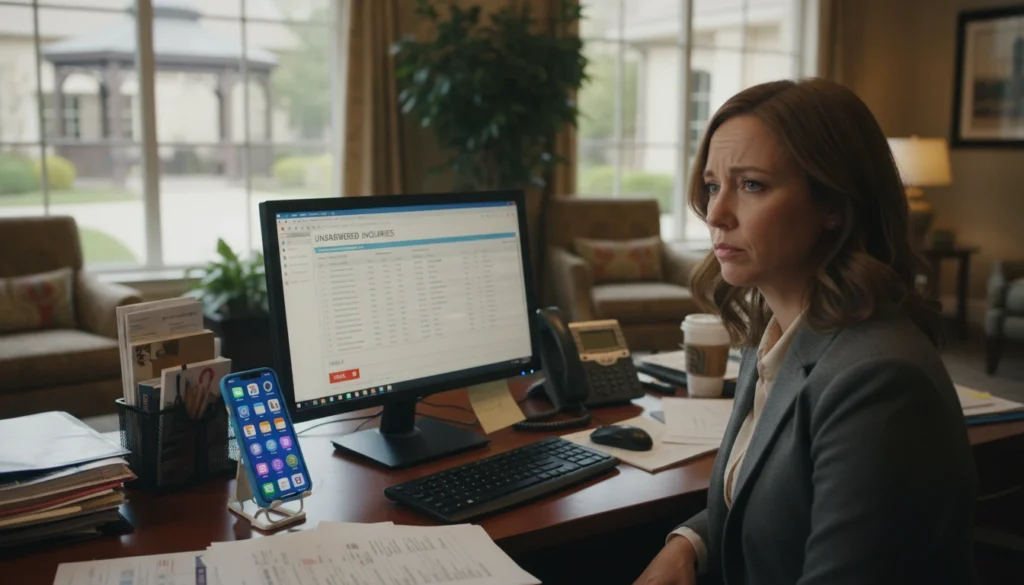
Memory care families need education, trust, and repeated clinical validation over months. Manual processes collapse under volume:
- Delayed inquiry response MC – families disengage quickly
- Inconsistent nurturing – leads go cold during 60–120 day cycle
- Staff burnout – chasing every lead manually
- No visibility – drop-offs go unnoticed
- Missed personalization – generic emails feel impersonal
In 2026, with occupancy benchmarks high and labor costs elevated, memory care automation is essential to maintain momentum without adding headcount.
Core Components of Effective Memory Care Marketing Automation
A strong system combines speed, clinical depth, and persistence.
Essential elements:
- Instant Response – SMS + email within 5–30 minutes (clinical tone)
- Multi-Channel Sequences – 10–15 touches over 90–120 days
- CRM Workflows – Automated stage progression and task creation
- Clinical Personalization – Dynamic content based on referral source and mentioned needs
- Reporting & Dashboards – Weekly visibility into response rates, engagement, and drop-offs
These components turn long-cycle leads into predictable move-ins.

Building Multi-Channel Automation Sequences for Memory Care
The most effective sequences are long, educational, and clinical-first.
Proven 90–120 day framework operators use:
- Minute 0–30 – Instant SMS + email confirmation from Clinical Director
- Hour 1 – Value email: “Understanding the 7 Stages of Dementia & Care Needs”
- Day 1 – Personalized video message (2–3 minutes)
- Day 3 – Downloadable guide: “Safety & Security in Memory Care Environments”
- Day 7 – SMS + calendar link for consultation
- Day 14 – Testimonial from similar referral source
- Day 30–60 – Bi-weekly clinical content drops (behavior management, family support)
- Day 60–120 – Monthly check-in + success story + gentle nudge
This approach often doubles response rates and increases conversion significantly.
For automation examples that apply directly, see how automation improves memory care census.
Lead Scoring MC & CRM Workflows for Qualification
Lead scoring MC + CRM workflows separate high-intent leads from noise early.
Simple scoring model many operators use:
| Criterion | Points | Why It Matters |
| Referred by neurologist/geriatrician | +40 | Highest clinical trust |
| Referred by hospital discharge planner | +30 | Urgent need |
| Specific behaviors mentioned (wandering, sundowning) | +25 | Indicates readiness |
| Decision-maker is adult child + medical POA | +20 | Faster decisions |
| Responds to first nurture touch within 48 hours | +15 | Engagement signal |
Score >70 = fast-track to clinical call. Score <40 = long nurture drip only.
This scoring + automated workflows cuts wasted time by 50–70%.
For CRM setup that supports scoring and workflows, see crm systems built for memory care sales teams.
Email Automation MC & Clinical Content Strategy
Email automation MC must feel like ongoing clinical support – not sales pitches.
High-engagement content types:
- “Understanding Dementia Care Levels & Safety Protocols”
- “Behavioral Support Strategies for Sundowning & Agitation”
- “Family Guide to Choosing the Right Memory Care Environment”
- “What to Expect During the Move-In Process”
- Monthly updates: “Latest Research on Dementia Care”
Personalize with dynamic fields (referral source, mentioned behaviors) to increase open rates 30–50%.
For nurture sequence ideas, see memory care marketing strategy census growth.
Measuring Automation Impact on Memory Care Census
Track these KPIs weekly to prove memory care marketing automation ROI:
| KPI | Target (Strong Performer) | Red Flag | Why Track It |
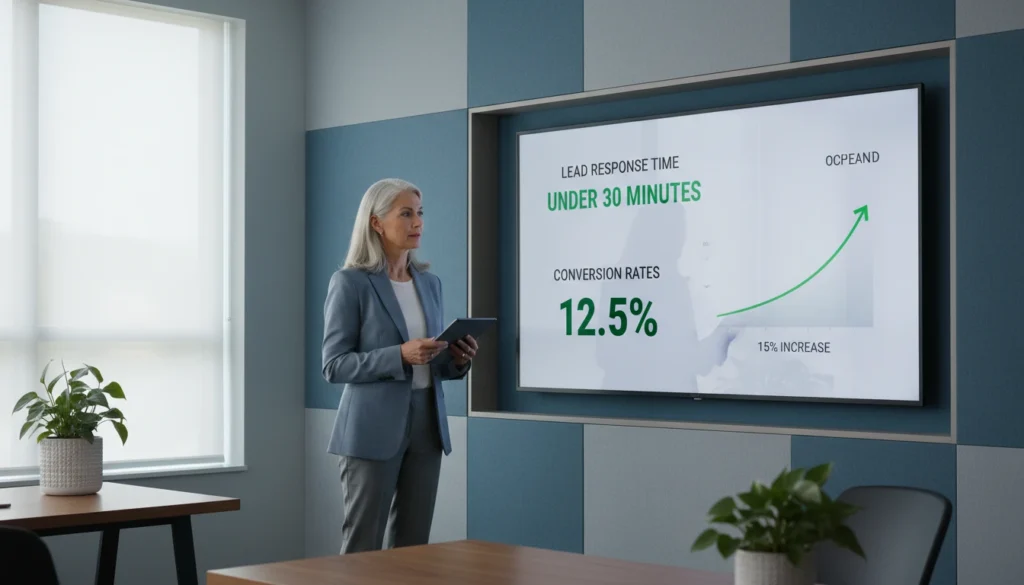
| Lead Response Time | <30 minutes | >60 minutes | Drives engagement |
| Nurture Response Rate | 60–80% | <40% | Sequence effectiveness |
| Lead-to-Tour Conversion | 35–50% | <25% | Pipeline health |
| Cost per Qualified Lead | <$150–$250 | >$350 | Marketing efficiency |
| Cost per Move-In | <$3,000–$4,000 | >$5,500 | True ROI |
| Move-Ins per Quarter (40-unit) | 10–15 | <8 | Census impact |
These metrics shift focus from “emails sent” to “qualified move-ins produced.”
Common Automation Mistakes in Memory Care
From real operator implementations:
- One-channel only – email misses 40%+ of prospects
- Generic clinical content – lacks personalization
- Short nurture cycles – families need 90–120 days
- No lead scoring – treats all leads equally
- Poor dashboard visibility – can’t spot weak sequences
Start with instant response and first 5 touches – measure weekly – expand.
Integrating Marketing Automation Into the Full Memory Care Census System
Automation is the engine that connects everything:
- Lead Generation – Quality sources → see memory care lead generation qualified move-ins
- Pipeline Management – Clear stages → read building a predictable assisted living sales pipeline
- Tour & Move-In – Better prospects → check improving memory care tour-to-move-in conversion
- Overall Strategy – Census-first → learn from memory care marketing strategy census growth
At Alchemical Marketing we help memory care operators build integrated systems where memory care marketing automation drives real census gains. One 50-unit facility went from 9% inquiry-to-move-in to 23% after automating clinical nurture – adding 14 residents and ~$1.3 million in revenue.
Discover how we approach memory care automation on the Alchemical Marketing homepage or explore our full range of services.
Ready to automate your memory care marketing and stop losing long-cycle leads? Secure your free automation strategy session.
Your Next Step for Scalable Memory Care Automation
With memory care demand continuing to grow and occupancy stable around 88–89% in early 2026, operators who implement memory care marketing automation will convert more long-cycle leads into move-ins without burning out teams.
If your memory care follow-up is manual, inconsistent, or too slow, schedule a complimentary automation review today – we’ll assess your current workflows and deliver clear next steps.
Here’s to more qualified move-ins, higher conversions, and stronger occupancy in 2026.
Frequently Asked Questions
How long should memory care nurture sequences be?
90–120 days minimum – often 10–15 touches. Families need repeated clinical education and reassurance before deciding.
What channels work best for memory care marketing automation?
Multi-channel: instant SMS + email, followed by personalized video, clinical guides, and check-in calls. SMS gets 80%+ open rates; combining channels keeps leads engaged longer.
Is memory care marketing automation expensive to set up?
Basic setups start under $300/month. Full managed systems deliver ROI quickly – often within 60–90 days through added move-ins.
How soon can automation impact memory care occupancy?
Initial gains (better tour bookings) in 30–60 days. Significant census lift (10–20%+) typically appears in 4–8 months as the pipeline stabilizes.
Does automation replace the human touch in memory care sales?
No – it handles repetitive tasks so your team can focus on high-value clinical conversations. The best systems feel personal while being perfectly consistent.