
TABLE OF CONTENTS
Memory care operators know the pain of long decision cycles and emotional family conversations. One Regional Director I worked with in 2025 managed six memory care communities, averaging 72% occupancy. Leads from hospitals and neurologists were decent, but 65% dropped off before tours because follow-up was manual and inconsistent. We implemented memory care follow-up automation — instant clinical response, multi-channel nurturing, and automated reminders. Within four months, lead-to-tour conversion rose from 19% to 39%, and portfolio occupancy climbed to 87%. The team spent less time chasing and more time closing.
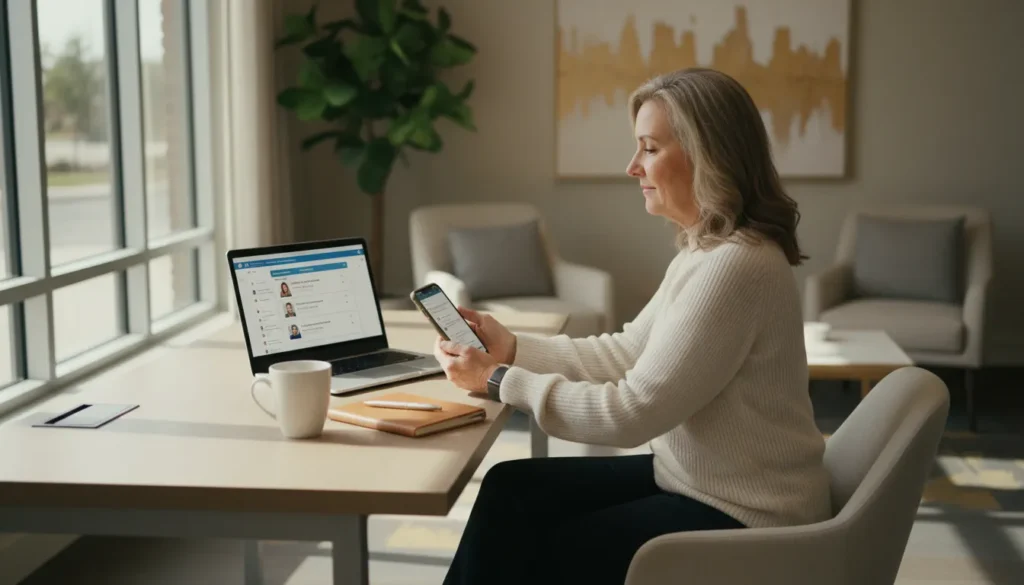
Memory care demand remains exceptionally strong. NIC MAP Vision Q4 2025 preliminary data shows senior housing occupancy steady at 88–89%, with memory care facilities gaining steadily despite limited new supply. Operators who automate key sales workflows capture more of this demand.
If your memory care follow-up feels inconsistent or slow, schedule a free automation review call — we’ll audit your current process and show you quick wins.
Why Speed and Consistency Matter in Memory Care Sales
Memory care decision cycles average 60–120 days — far longer than assisted living. Families need repeated clinical reassurance. Benchmarks show responding within 30 minutes can lift tour bookings 300–400% vs waiting hours.
Common leaks without automation:
- Delayed inquiry response MC — families move on
- Inconsistent nurturing — leads go cold during deliberation
- Manual tasks — staff forget or deprioritize follow-ups
- No visibility — drop-offs go unnoticed
In 2026, with occupancy high and competition fierce, memory care automation is no longer optional.
The Core Components of Effective Memory Care Follow-Up Automation
A strong system combines speed, personalization, and persistence.
Key elements:
- Instant Response — SMS + email within 5 minutes (clinical tone)
- Multi-Channel Sequences — 7–12 touches over 90 days
- Clinical Content — Guides on dementia care, safety protocols, staff expertise
- Automated Reminders — Calendar links, video messages, check-in calls
This creates automated follow-ups that feel personal while being perfectly consistent.
Building Your Memory Care Automation Workflow
Here’s a proven sequence operators use successfully:
- Minute 0–5 — Instant SMS + email confirmation from Clinical Director
- Hour 1 — Value email (“Understanding Memory Care Levels”)
- Day 1 — Personalized video message
- Day 3 — Clinical guide PDF
- Day 7 — SMS + calendar link for consultation
- Day 14 — Testimonial from a similar referral source
- Day 30–90 — Monthly drip with updates and gentle nudges
This sales workflows approach lifts response rates 2–3×.
For automation fundamentals, explore how follow-up automation impacts occupancy.
Measuring the Real Impact on Memory Care Census
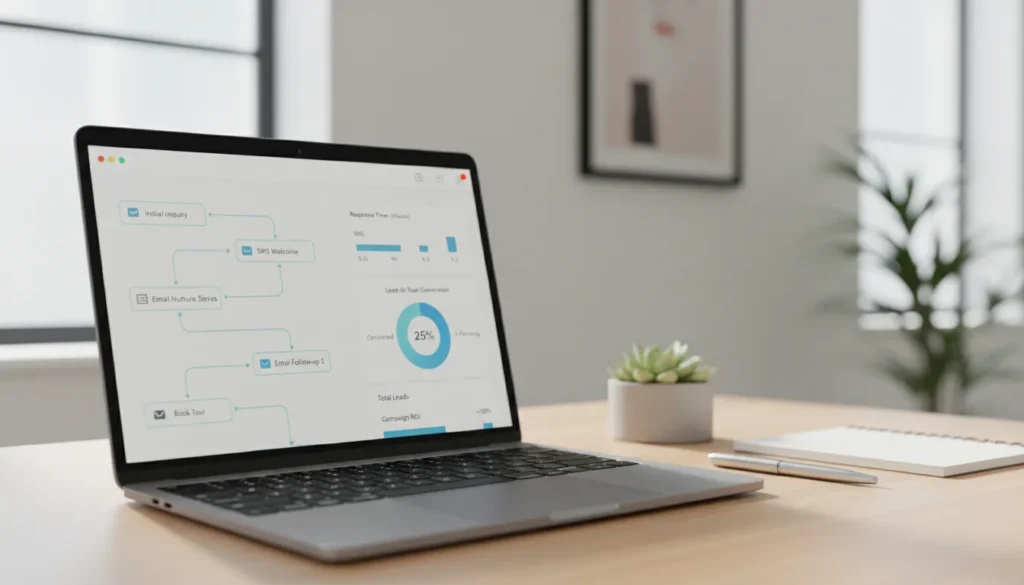
Automation delivers measurable census gains. Track these KPIs weekly:
| Metric | Without Automation | With Automation | Typical Improvement | Revenue Impact (40-unit, $8,500/mo) |
| Lead Response Time | 4–24 hours | <30 minutes | 300–400% faster | +$300K–$600K annualized |
| Lead-to-Tour Conversion | 15–25% | 35–50% | +15–30 points | +6–12 residents |
| Tour-to-Move-In Rate | 20–30% | 35–45% | +10–20 points | +4–8 residents |
| Overall Inquiry-to-Move-In | 8–12% | 18–25% | +10–15 points | +8–15 residents |
| Cost Per Move-In | $4,000–$6,000 | $2,500–$3,500 | 30–40% lower | Higher margins |
These reflect real memory care operator results in 2025–2026.
Implementation Tips for Memory Care Operators
Start simple and scale:
- Choose Tools — Twilio/Zapier for SMS, HubSpot for sequences
- Map Stages — Inquiry → Clinical Qualification → Tour → Proposal
- Personalize Early — Use dynamic fields (referral source, clinical need)
- Train Lightly — Focus on monitoring, not manual work
- Review Weekly — Adjust timing and content based on data
One operator I advised launched a basic sequence and added 10 residents in five months.
How Automation Fits the Full Memory Care Census System
Memory care automation is the engine of a broader system:
- Lead Generation — Quality B2B sources → see assisted living lead generation strategies
- CRM & Pipeline — Clear stages → read choosing the right CRM
- Tour & Move-In — Clinical focus → check assisted living tour conversion playbook
- Overall Strategy — B2B-first → learn from assisted living marketing strategy
At Alchemical Marketing, we build these integrated systems for memory care. One 42-unit facility went from 70% to 89% occupancy in seven months — adding ~$950,000 in revenue.
Discover our approach on the Alchemical Marketing homepage or explore our full services.
Ready to automate your memory care follow-up? Secure your strategy session.
Common Automation Mistakes in Memory Care
From experience:
- One-channel only — email misses 40%+ of prospects
- Generic messaging — needs clinical personalization
- No measurement — can’t improve what you don’t track
- Overcomplicating — start with response and first 5 touches
Focus on speed and clinical relevance first.
Your Next Step Toward Stronger Memory Care Census
With memory care demand growing and occupancy at 88–89% into 2026, operators who implement memory care follow-up automation will fill units faster and more predictably.
If slow or inconsistent follow-up is costing you move-ins, schedule a complimentary automation review today — we’ll assess your workflow and deliver clear next steps.
Here’s to more move-ins and stronger occupancy in 2026.
Frequently Asked Questions
How much does faster inquiry response MC improve memory care census?
Responding within 30 minutes can increase tour bookings 300–400%. Many operators see a 10–20% occupancy lift in 6–9 months from automation alone.
What channels work best for automated follow-ups, MC?
Multi-channel: instant SMS + email, followed by video and calls. SMS gets 80%+ open rates; combining channels keeps leads engaged longer.
Is memory care automation expensive to set up?
Basic setups start under $300/month. Fully managed systems deliver ROI quickly — often within 60–90 days through added move-ins.
How soon can automation impact memory care occupancy?
Initial gains in 30–60 days (better tour bookings). Significant census lift (10–20%+) typically appears in 4–8 months as the pipeline stabilizes.
Does automation replace the human touch in memory care sales?
No — it handles repetitive tasks, so your team can focus on high-value clinical conversations. The best systems feel personal while being perfectly consistent.