
TABLE OF CONTENTS
Memory care lead generation is different. Families take longer to decide, and the best leads usually come from professionals who understand clinical needs. I once helped a 28-unit memory care community stuck at 67% occupancy. They had some inquiries, but conversions were low. We shifted focus to high-intent sources, tightened follow-up, and personalized every touch. Within six months, qualified leads rose 45%, and they added 8 residents — reaching 86% occupancy. The Sales Director later said the real change was targeting the right people instead of chasing volume.
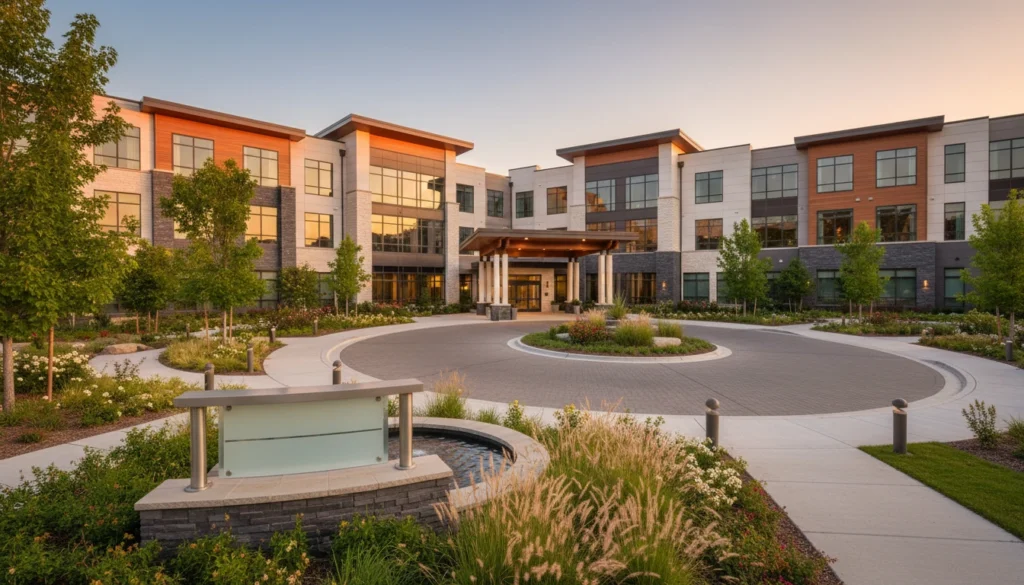
As of today, demand for memory care remains strong. NIC MAP Vision Q4 2025 preliminary data shows senior housing occupancy steady at 88–89%, with memory care facilities gaining steadily. New supply growth is still limited, so operators who generate the right leads win.
If your memory care inquiries are low-quality or inconsistent, schedule a free lead strategy call — we’ll audit your current sources and find quick wins.
Why Most Memory Care Lead Generation Falls Short
Many operators use broad consumer ads. These produce volume but low intent. Families often inquire early and drop off.
Real benchmarks show:
- Lead-to-tour conversion: 15–30%
- Tour-to-move-in: 20–35%
- Overall inquiry-to-move-in: 8–15%
The biggest issue is lead quality. Consumer traffic brings tire-kickers. Operator marketing MC targets professionals who send serious prospects.
Top Memory Care Inquiry Sources That Convert
Focus on B2B sources for qualified leads:
- Professional Referrals — Neurologists, geriatricians, hospitals (40–60% of best move-ins)
- Targeted Digital Ads — B2B keywords like “memory care referral network” or “dementia care placement”
- Content & Education — Guides for professionals (“Dementia Care Levels Explained”)
- Referral Events — Quarterly lunches or webinars for discharge planners

These MC inquiry sources produce leads ready to move faster.
For scalable lead tactics, read our guide on assisted living lead generation strategies — adapt the principles for memory care.
Building Memory Care Demand Gen That Works
Effective memory care demand gen combines precision and persistence.
Key elements:
- Fast Response — Under 30 minutes (automated SMS + email)
- Educational Nurturing — 7–10 touches over 60–90 days
- Clinical Personalization — Reference specific needs (wandering protocols, staff ratios)
- CRM & Funnels — Track stages and drop-offs → see choosing the right CRM
This approach often lifts memory care marketing leads by 40–60%.
Quick Comparison: Consumer vs B2B Lead Generation
| Source Type | Lead Volume | Intent Level | Conversion Rate | Cost Per Move-In |
| Consumer Ads | High | Low | 8–15% | $4,000–$6,000 |
| Professional Referrals | Medium | Very High | 35–50% | $2,000–$3,500 |
| Targeted B2B Search | Medium | High | 25–40% | $2,500–$4,000 |
| Educational Content | Medium | High | 20–35% | $1,500–$3,000 |
B2B sources win for census impact.
Execution Tips for Memory Care Marketing Ops
Start small and scale:
- Audit current sources — cut low-converters
- Automate first touches — instant response + nurture
- Build referral relationships — host clinical sessions
- Track weekly KPIs — qualified leads, tour bookings, move-ins
One operator I advised implemented this and moved from 5–7 to 11–13 move-ins per quarter.
For automation basics, explore how follow-up automation impacts occupancy.
Integrating Lead Gen Into a Full Census System
Strong memory care lead generation feeds a broader system:
- Pipeline Management — Clear stages → read building a predictable sales pipeline
- Tour Optimization — Clinical focus → check assisted living tour conversion playbook
- Overall Strategy — B2B-first → learn from assisted living marketing strategy
At Alchemical Marketing, we build these integrated census systems for memory care. One 40-unit facility went from 71% to 90% occupancy in eight months — adding ~$800,000 in revenue.
See our approach on the Alchemical Marketing homepage or explore our full services.
Ready to generate better memory care leads? Secure your strategy session.
Common Mistakes to Avoid
From experience:
- Relying on consumer ads — low intent
- Generic nurturing — needs clinical focus
- No referral building — missing top source
- Poor tracking — hides weak spots
Start with response time and referrals.
Your Next Step for Qualified Move-Ins
With senior living occupancy at 88–89% and memory care demand growing, operators who master memory care lead generation will fill units faster.
If your leads lack quality or consistency, schedule a complimentary call today — we’ll review your sources and deliver clear next steps.
Here’s to more qualified move-ins in 2026.
Frequently Asked Questions
What are the best memory care marketing leads sources?
Professional referrals (neurologists, hospitals) top the list — 35–50% conversion. Targeted B2B search and educational content follow.
How different is memory care lead generation from assisted living?
Longer cycles and clinical focus. B2B sources and educational nurturing outperform consumer ads.
How fast can better lead gen improve memory care census?
Initial gains in 60–90 days. Significant occupancy lift (10–20%) in 6–9 months.
Should operators use consumer ads for memory care?
Minimal. B2B demand gen delivers higher-quality leads that convert faster.
How much revenue can better MC lead generation add?
At an $8,000/month average rate, 6–10 extra move-ins can add $576,000–$960,000 annually.