TABLE OF CONTENTS
Memory care tours require a different approach than assisted living. Families need deep clinical reassurance and emotional support. I once helped a 34-unit memory care community stuck at 24% tour-to-move-in conversion. They were getting tours, but few closed. We shifted to clinical-focused tours, immediate personalized follow-up, and structured nurturing. Within five months, their rate climbed to 44%, adding 9 residents and pushing occupancy from 74% to 88%. The Sales Director said the change felt like night and day.
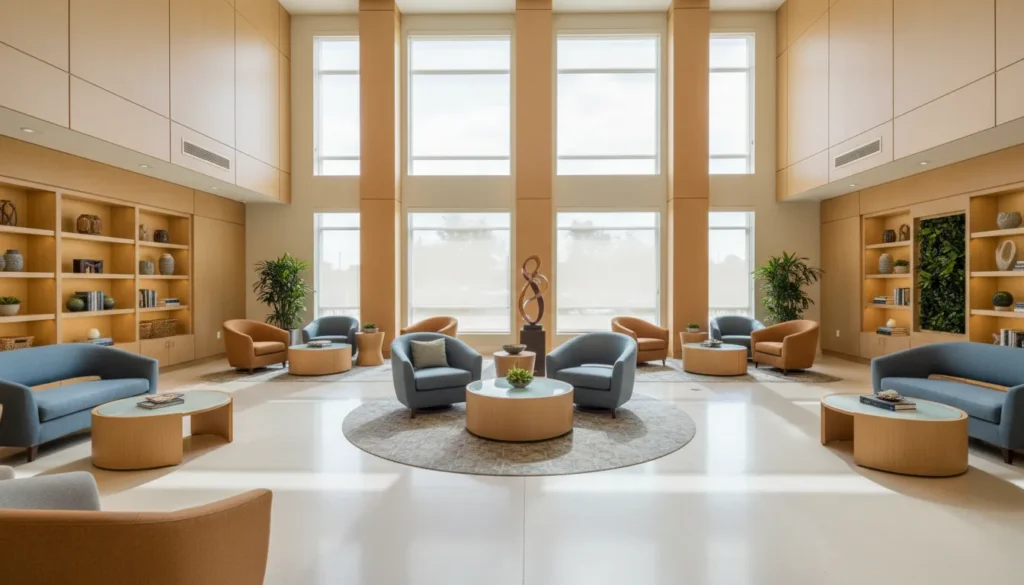
Memory care demand remains strong. NIC MAP Vision Q4 2025 preliminary data shows senior housing occupancy steady at 88–89%, with memory care facilities gaining steadily. Limited new supply means operators who convert tours effectively win big.
If your memory care tours aren’t closing at the rate they should, schedule a free conversion audit call — we’ll review your process and find quick wins.
Why Memory Care Tour Conversion Is Challenging
Memory care sales cycles are longer and more emotional. Decision-makers often involve multiple family members plus medical professionals. Benchmarks show tour-to-move-in rates typically 20–35%, lower than assisted living due to higher trust requirements.
Common issues I see:
- Tours focus on amenities instead of clinical safety
- Delayed or generic follow-up loses momentum
- No clinical staff involvement during tours
- Weak post-tour nurturing
Fixing these drives’ memory care tours to move-ins faster.
Preparing for High-Conversion Memory Care Tours
Preparation sets the stage for success. Pre-qualify every tour with clinical questions.
Key steps:
- Ask early about specific needs (wandering, behaviors, medical history)
- Involve nursing or clinical staff from the start
- Customize agenda to address concerns (secure environments, staff ratios)
This personalization often lifts conversion by 20–30%.
Mastering the MC Sales Process During Tours
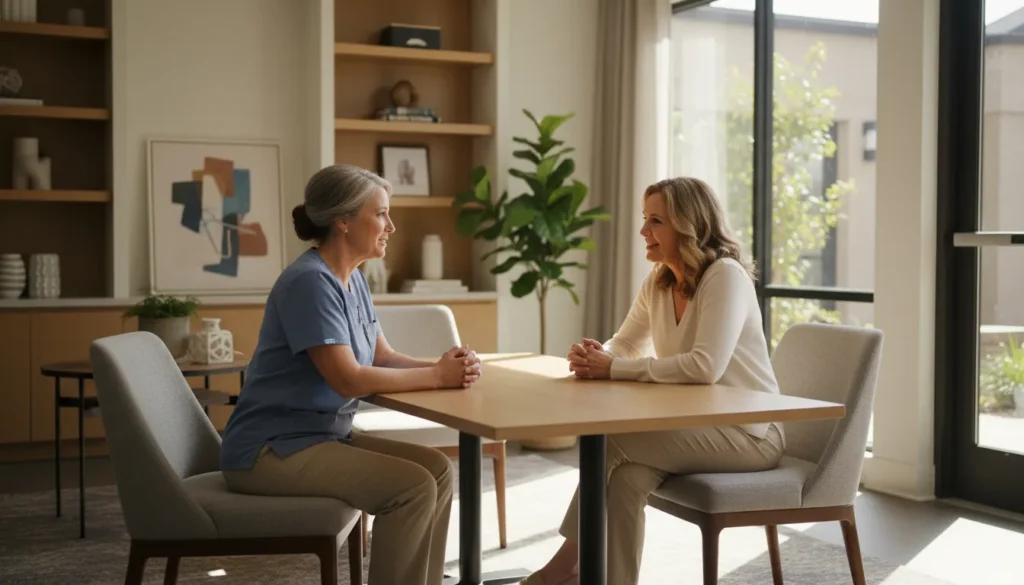
The MC sales process should feel consultative, not salesy. Focus on trust and clinical fit.
Effective tactics:
- Start with discovery — listen to family concerns first
- Show clinical expertise — highlight dementia training, safety protocols
- Use social proof — share anonymized success stories
- Create gentle urgency — mention limited availability
Avoid feature-dumping. Operators who prioritize needs close more often.
For tour fundamentals that apply to memory care, read our assisted living tour conversion playbook.
The Power of Tour Follow-Up MC
Tour follow-up MC is where most conversions are won or lost. Immediate action within 1 hour can boost close rates 30–40%.
Proven sequence:
- Send personalized recap (email + SMS) within 60 minutes
- Include a customized care plan proposal
- Schedule 24–48 hour check-in call
- Automate 7–10 day nurture touches (clinical tips, testimonials)

Automation makes this consistent. One operator I advised tripled response rates with this flow.
Conversion Optimization Through Data and Iteration
Conversion optimization requires weekly tracking. Key metrics:
| Metric | Average Benchmark | Strong Performer Target | Quick Win Tip |
| Tour-to-Move-In Rate | 20–35% | 40–50% | Immediate personalized follow-up |
| Post-Tour Response Rate | 40–60% | 75%+ | Multi-channel within 1 hour |
| Time to Move-In (from Tour) | 60–90 days | 45–60 days | Clear proposals + clinical answers |
| 90-Day Conversion Lift | 5–10% | 15–25% | Weekly review & A/B testing |
Review weekly to spot patterns and improve fast.
For pipeline basics that support better conversion, explore building a predictable sales pipeline.
Integrating Tours Into a Full Memory Care Census System
Tours are one part of a broader system:
- Lead Generation — Quality sources → see assisted living lead generation strategies
- Follow-Up Automation — Consistent nurturing → check how follow-up automation impacts occupancy
- CRM & Pipeline — Clear stages → read choosing the right CRM
- Overall Strategy — B2B-first → learn from assisted living marketing strategy
At Alchemical Marketing, we build these integrated systems for memory care. One 40-unit facility went from 26% to 46% conversion, adding 11 residents in seven months (~$850,000 revenue).
See our approach on the Alchemical Marketing homepage or explore our full services.
Ready to boost your memory care conversion? Secure your strategy session.
Common Tour Conversion Mistakes to Avoid
From experience:
- Generic tours — ignore clinical needs
- Delayed follow-up — loses emotional momentum
- No clinical involvement — families need reassurance
- Skipping data reviews — hides improvement opportunities
Start with immediate follow-up and clinical focus.
Your Next Step Toward Higher Move-Ins
With memory care demand growing and occupancy steady at 88–89% into 2026, operators who improve memory care tour conversion will fill units faster.
If your tours aren’t closing consistently, schedule a complimentary review today — we’ll assess your process and give you clear next steps.
Here’s to more move-ins and stronger occupancy in 2026.
Frequently Asked Questions
What’s a good memory care tour-to-move-in conversion rate in 2026?
The average is 20–35%, with top performers hitting 40–50%. Clinical focus and fast follow-up drive the higher end.
How soon after a tour should a follow-up happen?
Within 1 hour. Immediate recaps and proposals can lift close rates 30–40%.
Should memory care tours focus on amenities or clinical needs?
Clinical needs first. Safety, staff expertise, and dementia care build trust and convert better.
Do these strategies work for smaller memory care communities?
Yes — smaller sites often see faster gains from personalization and quick follow-up.
How much revenue can a 10–15% tour conversion lift add?
At an $8,500/month average rate, improving from 30% to 45% on 15 monthly tours can mean 3–5 extra move-ins quarterly — $300,000–$500,000+ annualized.